
Title: The Ultimate Guide to Insulation Materials for Your Home
When it comes to keeping your home energy-efficient and comfortable, choosing the right insulation material is key. With so many options available, it can be overwhelming to decide which one suits your needs best. In this blog post, we’ll break down six popular insulation materials—Glass Wool, Rock Wool, Expanded Polystyrene (EPS), Polyurethane Foam, Reflective Foil, and Cellulose Insulation—to help you make an informed decision.
1. Glass Wool
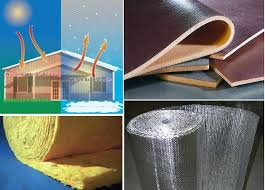
Glass wool, also known as fiberglass, is one of the most widely used insulation materials. Made from recycled glass and sand, it’s lightweight, affordable, and excellent for thermal and acoustic insulation. It’s perfect for walls, ceilings, and attics, but be sure to handle it with care, as it can irritate the skin and lungs during installation.
2. Rock Wool
Rock wool, or mineral wool, is made from volcanic rock and recycled materials. It’s highly durable, fire-resistant, and provides excellent soundproofing. Rock wool is ideal for areas that require high-temperature resistance, such as around fireplaces or in industrial settings.
3. Expanded Polystyrene (EPS)
EPS is a lightweight, rigid foam insulation material that’s easy to install and highly moisture-resistant. It’s commonly used in walls, roofs, and foundations. EPS is also eco-friendly, as it can be recycled and reused.
4. Polyurethane Foam
Polyurethane foam is a versatile insulation material that comes in both spray and rigid board forms. It offers superior thermal performance and air-sealing properties, making it a great choice for hard-to-reach areas and irregular surfaces. However, it tends to be more expensive than other options.
5. Reflective Foil
Reflective foil insulation works by reflecting radiant heat, making it ideal for hot climates. It’s often used in attics, roofs, and walls to keep homes cool during summer. This material is lightweight, easy to install, and works best when combined with other insulation types.
Which Insulation Material is Right for You?
The best insulation material depends on your specific needs, budget, and climate. For example:
- Choose glass wool or rock wool for affordability and soundproofing.
- Opt for EPS or polyurethane foam for moisture resistance and high thermal performance.
- Use reflective foil in hot climates to keep your home cool.
- Go for cellulose insulation if you’re looking for an eco-friendly option.
Investing in the right insulation material can significantly improve your home’s energy efficiency, reduce utility bills, and enhance comfort. If you’re unsure which material to choose, consult a professional to find the best solution for your home.